
Modern organizations must adapt to evolving workforces. We examine key Talent acquisition trends for future-ready organizations shaping hiring strategies.

The talent landscape is continually shifting, demanding agility from businesses worldwide. What worked even a few years ago might not suffice today. Organizations that thrive in this environment are those proactively shaping their recruitment strategies. They understand that talent acquisition is no longer a reactive process but a strategic imperative. From my experience consulting with numerous companies, staying ahead means embracing specific, forward-looking approaches. The future workforce requires a different lens, one focused on adaptability and long-term organizational health.
Key Takeaways
- Future-ready talent acquisition emphasizes agility and strategic foresight over reactive hiring.
- Skill-based hiring is replacing degree-centric approaches, widening talent pools and fostering internal growth.
- AI and automation are streamlining recruitment processes, improving efficiency from sourcing to onboarding.
- A superior candidate experience is crucial for attracting and retaining top talent in a competitive market.
- Internal mobility and upskilling programs are vital for building resilient workforces and reducing external dependency.
- Data analytics provides actionable insights, enabling more precise and effective recruitment decisions.
- Strong employer branding, supported by authentic employee experiences, is essential for attracting desired candidates.
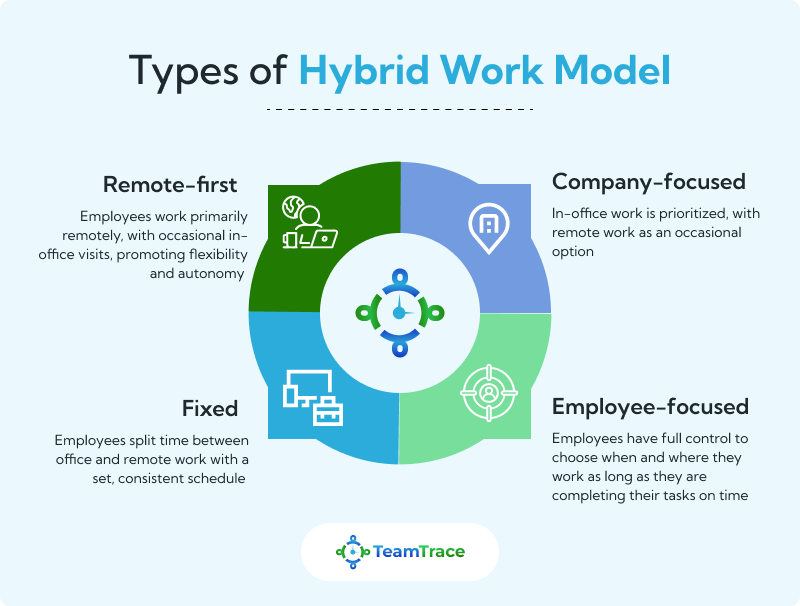
- Remote and hybrid work models are now standard, requiring flexible and inclusive acquisition strategies.
The Evolving Landscape of Talent acquisition trends for future-ready organizations
The traditional approach to hiring is undergoing a significant overhaul. We are seeing a move away from rigid requirements towards a more fluid, skill-centric model. Companies are less concerned with specific degrees and more interested in demonstrated capabilities and potential for growth. This shift has profound implications for how roles are defined and candidates are assessed. It allows for a broader and more diverse talent pool, which is critical in competitive markets like the US.
Another prominent aspect of current Talent acquisition trends for future-ready organizations involves the integration of workforce planning with business strategy. Talent teams are no longer just filling vacancies. They are actively involved in forecasting future skill needs, identifying critical roles, and building pipelines long before an immediate need arises. This proactive stance ensures that the organization has the right people with the right skills when they are most needed, preventing costly delays and skill gaps.
AI and Automation as Key Talent acquisition trends for future-ready organizations
Artificial intelligence and automation are no longer futuristic concepts in recruitment; they are present-day tools. From initial candidate sourcing to interview scheduling and pre-screening, AI-powered solutions are streamlining many repetitive tasks. This allows recruiters to focus on more strategic activities, such as building relationships and making informed hiring decisions. For example, AI can analyze resumes faster and more objectively than humans, identifying candidates who might otherwise be overlooked.
Automation also plays a crucial role in personalizing the candidate journey. Automated communication, such as welcome emails or interview confirmations, ensures timely and consistent engagement. This efficiency contributes to a positive impression, even for candidates who do not move forward. The goal is not to replace human interaction but to augment it, making the entire recruitment process more efficient and less prone to human error. These are vital Talent acquisition trends for future-ready organizations that value speed and precision.
Prioritizing Candidate Experience and Internal Mobility
In today’s candidate-driven market, the experience offered during the hiring process is paramount. A poor experience can deter top talent, irrespective of the role or company reputation. Organizations are therefore investing heavily in creating seamless, transparent, and respectful candidate journeys. This includes clear communication, prompt feedback, and an easy-to-use application process. Every touchpoint, from the job description to the final offer, shapes a candidate’s perception.
Beyond external hiring, internal mobility has gained significant traction. Many organizations are recognizing the value of nurturing existing talent and providing pathways for career growth within the company. Programs that support reskilling and upskilling employees not only address future skill gaps but also boost morale and retention. This internal focus reduces time-to-hire and onboarding costs, making it a sustainable talent strategy. It signifies a mature approach to talent management.
Data-Driven Strategies for Talent acquisition trends for future-ready organizations
Effective talent acquisition increasingly relies on data. Metrics go far beyond simple time-to-hire or cost-per-hire. Organizations are now analyzing data to understand source effectiveness, candidate drop-off points, diversity statistics, and the long-term performance of hired individuals. This allows for continuous improvement and a more scientific approach to recruitment. Decision-making moves from intuition to informed insights, yielding better hiring outcomes.
Predictive analytics, for instance, can help identify which candidates are most likely to succeed in certain roles or which sourcing channels yield the highest quality applicants. By understanding these patterns, talent acquisition teams can allocate resources more effectively. This data-centric mindset helps organizations build a more robust and adaptable workforce, ready to meet future challenges. It is a cornerstone for creating truly future-ready talent strategies.